


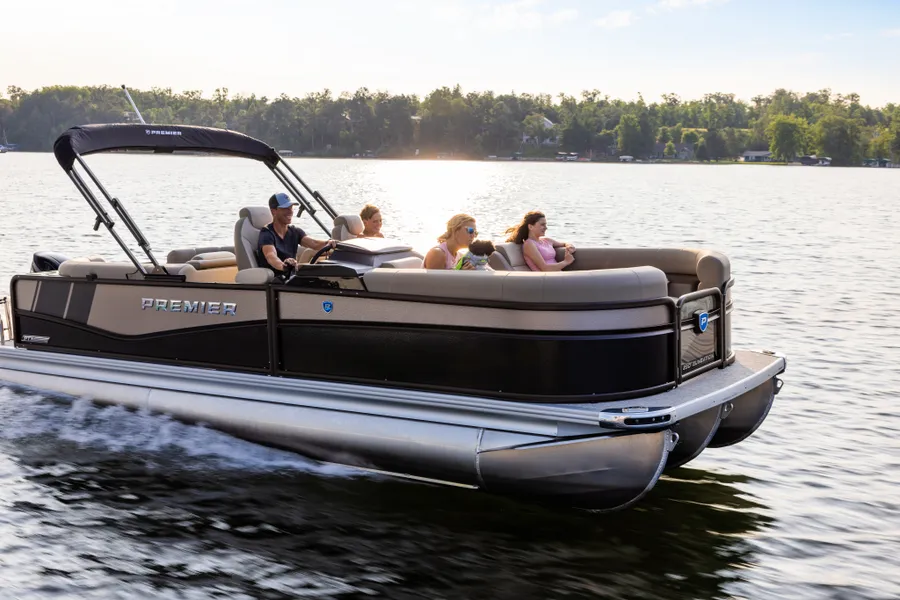
Winter on the Gulf Coast looks a little different than it does in other parts of the country. While colder temperatures may signal the end of boating season elsewhere, boaters along the Florida Gulf Coast can often enjoy beautiful days on the water well into the winter months.
But whether you’re planning to keep cruising through the cooler season or give your boat a break until spring, winter still calls for a little extra attention. Changing temperatures, occasional cold fronts, increased moisture and periods of inactivity can all affect your boat’s performance and condition.
So, should you keep using your boat or put it away for the winter? The answer depends on your boating habits, storage options and how much preparation you’re willing to put in.
Here’s what Gulf Coast boat owners should know before heading into the cooler months.
Option 1: Keep Cruising Through the Winter
One of the advantages of boating along the Gulf Coast is that winter doesn’t have to mean staying off the water. With the right preparation, you can continue enjoying fishing trips, family outings and beautiful days on the Gulf throughout the season.
However, cooler weather doesn’t mean maintenance should take a back seat.
Cooler temperatures can affect battery performance, especially if your boat sits unused between outings. Before heading out, check battery connections, inspect for corrosion and make sure your batteries are holding a proper charge.
If you’ve noticed slow starts, inconsistent electronics or batteries that struggle to hold a charge, it’s worth having the system inspected before your next trip.
Fuel quality and proper storage are important throughout the year. If your boat isn’t being used regularly, make sure you’re following the manufacturer’s recommendations for fuel treatment and storage.
Check fuel lines, connections and filters for signs of wear or leaks. Addressing small concerns early can help prevent unexpected issues when you’re ready to head out.
Before taking advantage of a warm winter afternoon, make sure your engine is ready to go. Check fluid levels, inspect belts and hoses and pay attention to any changes in engine performance.
Even in Florida, occasional cold snaps can create conditions that put your engine and plumbing systems at risk. If freezing temperatures are in the forecast, consult your owner’s manual or a qualified marine technician about the appropriate precautions for your specific boat and engine.
Winter boating often means cooler mornings, changing weather conditions and potentially fewer boats on the water. Before heading out, check that life jackets, navigation lights, communication equipment, fire extinguishers and other required safety equipment are in good condition and readily accessible.
It’s also a good idea to review the forecast before every trip and make sure everyone aboard is prepared for changing conditions.
Option 2: Store Your Boat Until Spring
If you prefer to take a break from boating during the cooler months, proper storage preparation can help protect your investment and make getting back on the water much easier when spring arrives.
Even along the Gulf Coast, leaving a boat unattended for an extended period without preparation can lead to avoidable problems.
If your boat will be sitting for several weeks or months, follow the engine manufacturer’s recommendations for seasonal storage. Depending on your engine type, this may include fuel stabilization, fluid checks and other maintenance procedures.
Outboard, sterndrive and inboard engines can have different storage requirements, so it’s important not to assume one process works for every boat.
Batteries can lose their charge while a boat is sitting unused. Depending on your boat’s electrical system and manufacturer’s recommendations, you may need to disconnect batteries, use an appropriate maintenance charger or periodically check their charge.
Before storing your boat, inspect battery terminals and connections for corrosion and address any existing issues.
A little cleaning before storage can go a long way. Remove food, personal belongings and anything that could attract pests or develop odors. Clean the interior and exterior using products designed for marine surfaces.
Pay particular attention to upholstery, canvas, compartments and other areas where moisture can collect. Allow everything to dry thoroughly before covering your boat.
For boats with canvas enclosures or covers, make sure they’re clean, properly fitted and designed to allow appropriate ventilation. A cover that traps moisture can create just as many problems as leaving the boat exposed.
If your boat will be stored on a trailer, inspect the tires, brakes, lights and other components before leaving it for an extended period. Make sure the trailer is properly supported and positioned according to the manufacturer’s recommendations.
Choose a storage location that offers appropriate protection from weather and allows for proper ventilation. Even in mild climates, heavy rain, humidity and strong coastal winds can take a toll on an improperly stored boat.
Gulf Coast Winter Weather: What Should You Watch For?
While freezing temperatures aren’t an everyday occurrence along the Gulf Coast, they can happen. And when they do, boats that aren’t properly prepared can experience preventable damage.
- Freezing temperatures: Water left in engine passages, plumbing, pumps and other systems can freeze and potentially cause damage. Follow the manufacturer’s cold-weather procedures for your specific equipment.
- Humidity and moisture: Coastal humidity can contribute to mildew, corrosion and deterioration of interior materials. Proper ventilation and moisture management are important.
- Saltwater exposure: Boats used in saltwater should receive appropriate freshwater rinsing and regular inspection to help minimize corrosion and buildup.
- Severe weather: Strong winds, heavy rain and coastal storms can affect boats whether they’re in the water or on land. Check covers, mooring lines and storage arrangements regularly.
The biggest takeaway? Don’t wait until the first major cold front to think about winter preparation.
When Should You Call a Marine Technician?
Some seasonal maintenance tasks are simple enough for owners to handle, but others deserve professional attention. If you’re unsure about a particular system or notice something unusual, it’s always better to have it checked before it becomes a larger problem.
Consider scheduling a service appointment if you notice:
- Difficulty starting your engine or recurring battery issues.
- Unusual vibrations, noises or changes in engine performance.
- Steering that feels stiff, loose or inconsistent.
- Fuel, oil or water leaks.
- Corrosion around electrical connections or engine components.
- Cooling system concerns or warning indicators.
- Electronics that aren’t functioning consistently.
Seasonal service is also a good opportunity to address routine maintenance, inspect important systems and make sure your boat is ready for however you plan to spend the winter.
Keep Your Boat Ready for Whatever the Season Brings
Whether you’re planning to enjoy the Gulf Coast all winter or counting down the days until spring, taking care of your boat now can make a big difference later.
From Bennington and Premier pontoons to Chaparral boats, Robalo center consoles and World Cat power catamarans, every boat has its own maintenance requirements. Following the manufacturer’s recommendations and staying ahead of seasonal service can help protect your investment and keep you ready for your next adventure.
Not sure what your boat needs before winter? The Sunrise Marine service team can help you determine the right maintenance and preparation for your boat, engine and storage plans.
Prepare Before the Next Cold Front
Don’t wait for colder weather to arrive. Schedule seasonal service with Sunrise Marine and get your boat ready for whatever your Gulf Coast winter has in store.