


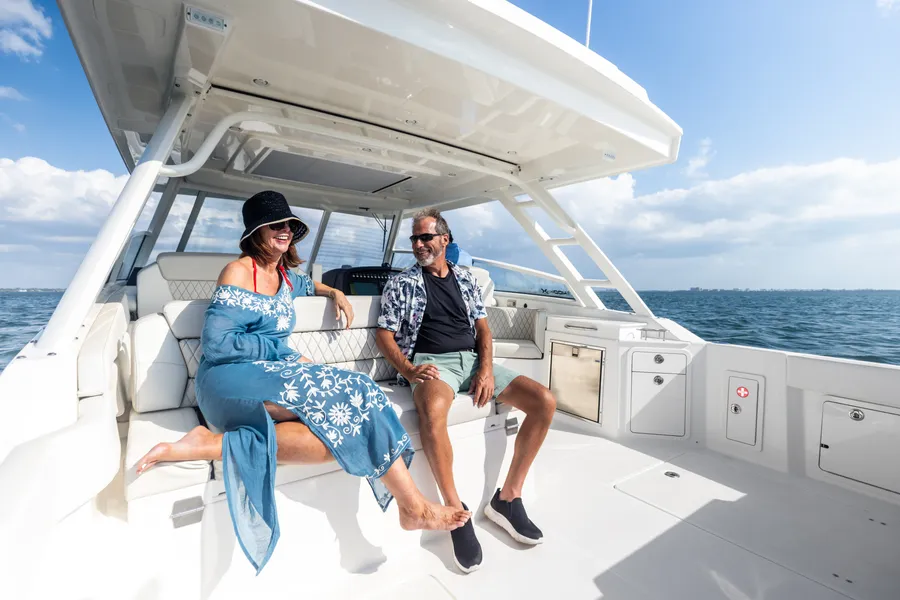
Buying a boat is an exciting investment in more time on the water, weekend adventures and memories with family and friends. But before making the purchase, it’s important to understand that the boat itself is only one part of the overall cost of ownership.
From routine maintenance and insurance to fuel, storage and equipment, there are several ongoing expenses worth considering before bringing a boat home.
The good news? Planning ahead can make boat ownership much more manageable. By understanding the different expenses and building a realistic budget, you can find a boat that fits both your lifestyle and your financial goals.
Whether you’re considering your first boat or upgrading to something new, here’s what to include in your boat ownership budget.
1. Maintenance and Routine Service
Every boat requires regular maintenance to keep its systems operating properly and help protect your investment.
The type and frequency of service will depend on your boat, engine, usage and the manufacturer’s recommendations. A boat used frequently in saltwater may have different maintenance needs than one used occasionally in freshwater.
- Routine engine service and oil changes, when applicable.
- Engine and fuel system inspections.
- Water pump and cooling system maintenance.
- Battery inspections and replacement.
- Propeller inspections and repairs.
- Steering and electrical system checks.
- Hull cleaning and general upkeep.
- Seasonal service and storage preparation.
It’s also important to remember that unexpected repairs can happen. Setting aside money for occasional maintenance needs can help prevent an unexpected issue from becoming a financial strain.
Budget tip: Ask about recommended service intervals for the specific boat and engine you’re considering. This gives you a more accurate starting point for estimating annual maintenance expenses.
2. Boat Insurance
Insurance is another important part of responsible boat ownership.
Your insurance needs and premiums will depend on several factors, including the type and value of the boat, engine, intended use, boating experience, coverage selections and where the boat will be operated or stored.
- Physical damage coverage.
- Liability protection.
- Uninsured or underinsured boater coverage, where available.
- Medical payments coverage.
- Personal property coverage.
- Coverage for trailers, if applicable.
- Navigation limits and other policy restrictions.
Not all policies offer the same protection, so it’s worth comparing coverage details rather than choosing based on price alone.
Budget tip: Request an insurance quote for the specific boat you’re considering before finalizing your purchase. This helps you understand the ongoing expense before committing to ownership.
3. Storage, Dockage and Trailer Expenses
Where you keep your boat can have a significant impact on your overall ownership budget.
Depending on the size and style of your boat, you may have several storage options.
If you have enough space at home, storing your boat on a trailer can offer flexibility and convenient access.
- Trailer registration.
- Tire replacement and maintenance.
- Brake and lighting repairs.
- Trailer storage requirements.
- Tow vehicle capabilities and related expenses.
You should also make sure your vehicle is properly rated to tow the boat and trailer combination.
Keeping your boat at a marina can make getting on the water easier, particularly if you plan to boat frequently.
- Slip rental fees.
- Availability and vessel size requirements.
- Electricity and water charges.
- Additional marina services.
- Parking and access.
- Any applicable maintenance or service restrictions.
Dry storage is another option offered by some marinas. Boats are kept out of the water when not in use, with launch arrangements depending on the facility. Ask about storage availability, vessel limitations, retrieval procedures and any additional fees.
Budget tip: Research storage options before choosing a boat. Your preferred storage arrangement may influence the size and style of boat that makes the most sense for your family.
4. Fuel and Operating Expenses
How often you use your boat and the type of activities you enjoy will influence your fuel expenses.
A boat used for occasional afternoon cruises will generally have different fuel needs than one regularly taken offshore for full-day fishing trips.
- Engine type and horsepower.
- Boat size and weight.
- Speed and operating conditions.
- Passenger and equipment load.
- Distance traveled.
- Frequency of use.
- Water and weather conditions.
In addition to fuel, remember to account for other operating expenses such as launch fees, marina visits and any applicable ramp or parking fees.
Budget tip: Ask about the fuel capacity and expected operating characteristics of the models you’re considering. You can then estimate fuel needs based on your typical trips rather than relying on a generic boating cost estimate.
5. Safety Equipment and Accessories
When purchasing a boat, it’s important to consider the equipment needed to operate it safely and comfortably.
Some boats may already include many essential items, while others may require additional purchases depending on their configuration and intended use.
- Properly sized life jackets for passengers.
- Fire extinguishers and required safety equipment.
- Visual distress signals.
- Sound-producing devices.
- Dock lines and fenders.
- Anchors and related equipment.
- First-aid kits.
- Navigation electronics and accessories.
- Communication equipment.
- Boat covers and protective accessories.
You may also want to budget for lifestyle upgrades such as upgraded marine speakers, additional seating accessories, fishing equipment, coolers and watersports gear.
These additions aren’t necessarily required all at once. Prioritize essential safety equipment first, then plan optional upgrades around how you intend to use your boat.
Budget tip: Ask your dealership what is included with the boat and what you’ll need to purchase separately. This helps avoid overlooking equipment expenses during the buying process.
6. Cleaning and General Upkeep
Keeping your boat clean is about more than appearance. Regular care can help protect surfaces, upholstery and other components from the effects of sun, saltwater and everyday use.
- Marine-specific cleaning products.
- Wash brushes and microfiber towels.
- Upholstery cleaners and protectants.
- Canvas and cover maintenance.
- Hull cleaning.
- Waxing and surface protection.
- Professional detailing.
Boaters who regularly operate in saltwater should also account for freshwater rinsing and appropriate cleaning procedures to help minimize salt buildup and corrosion.
Budget tip: Establish a regular cleaning routine and keep the appropriate supplies on hand. Consistent care can help you stay ahead of more involved maintenance needs.
7. Unexpected Repairs and Long-Term Expenses
Even with regular maintenance, unexpected expenses are part of owning a boat.
Components wear out, batteries need replacing, electronics may require repairs and occasional mechanical issues can arise.
- Engine or major component repairs.
- Electronics upgrades.
- Upholstery replacement.
- Trailer replacement or significant repairs.
- Canvas and cover replacement.
- Cosmetic restoration or upgrades.
It’s worth building a separate reserve into your ownership budget for unexpected repairs and larger expenses. Having a financial cushion can make these expenses easier to manage when they arise.
Your Boat Ownership Budget Worksheet
Now that you know what to consider, it’s time to put together a budget of your own.
Use the worksheet below to identify potential expenses before purchasing a boat. Actual costs will depend on the specific vessel, your location and how you plan to use it.
| Expense Category | Estimated Cost | Frequency |
|---|---|---|
| Boat insurance | $________ | Annual |
| Routine maintenance | $________ | Annual |
| Unexpected repair reserve | $________ | Annual |
| Marina or slip storage | $________ | Monthly/Annual |
| Dry storage or trailer expenses | $________ | Monthly/Annual |
| Fuel | $________ | Monthly/Annual |
| Registration and applicable fees | $________ | Annual |
| Safety equipment | $________ | Initial/As needed |
| Accessories and upgrades | $________ | As needed |
| Cleaning and detailing | $________ | Monthly/Annual |
| Launch and marina fees | $________ | Per trip/As needed |
- Have I received an insurance quote?
- Do I know where I’ll store my boat?
- Have I researched recommended maintenance intervals?
- Have I accounted for fuel based on my expected usage?
- Do I know which safety items are included?
- Have I considered additional accessories and equipment?
- Have I set aside money for unexpected repairs?
- Does the overall cost fit comfortably within my financial plans?
Taking the time to answer these questions can help you make a more informed purchasing decision.
Find a Boat That Fits Your Lifestyle and Budget
One of the most important parts of boat ownership is choosing a vessel that makes sense for how you plan to spend your time on the water.
A spacious Bennington or Premier pontoon may be perfect for family cruising and entertaining. A Chaparral may be a great fit for recreational boating and watersports. If fishing is a priority, explore Robalo’s center console and dual console options. For those interested in offshore adventures, World Cat offers power catamaran options worth considering.
Each style of boat comes with different equipment, operating considerations and maintenance requirements. Comparing available models can help you understand which option best aligns with your boating goals and ownership budget.
The Sunrise Marine team can help you explore available boats, discuss ownership considerations and identify the questions you should ask before making a purchase.
Plan Ahead and Enjoy More Time on the Water
Owning a boat is about more than the purchase itself. It’s about having the freedom to spend weekends exploring, enjoying time with family and making memories on the water.
Understanding the costs beyond the purchase price can help you approach ownership with realistic expectations and greater confidence.
With the right planning, you can find a boat that fits your lifestyle without overlooking the expenses that come with keeping it ready for your next adventure.
Start Planning Your Boat Ownership Budget
Talk with the Sunrise Marine team to explore your options, compare available models and take the next step toward finding the right boat for you.