


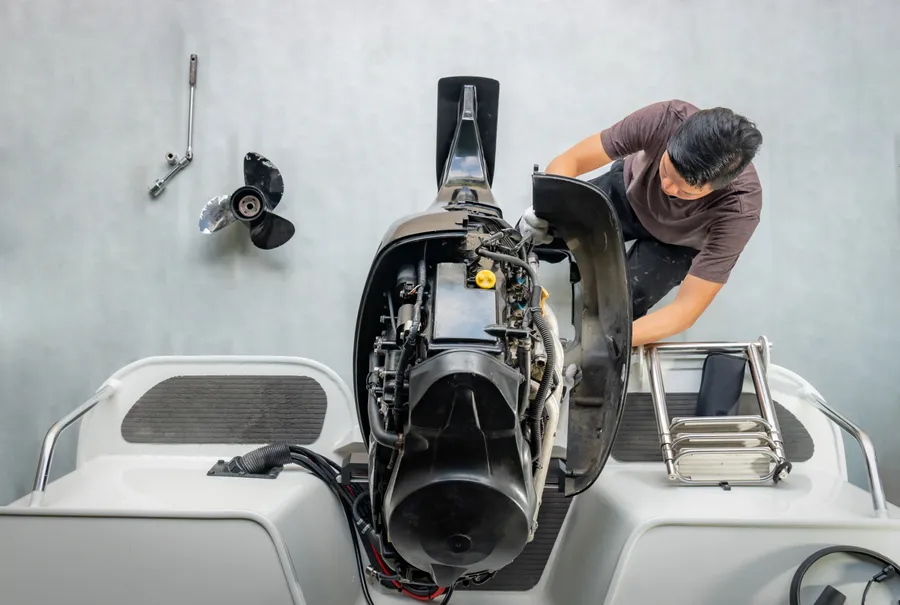
The days are getting longer, the weather is warming up and more time on the water is right around the corner. Before you start planning your first big spring outing, it’s worth making sure your boat is ready for the season ahead.
Even if you’ve been boating throughout the winter, a preseason inspection is a good opportunity to catch developing concerns, review routine maintenance and make sure important systems are working as expected.
A little preparation can go a long way toward helping you avoid unexpected interruptions once your calendar starts filling up with boating days.
Whether your boat has been in storage or you’ve been using it year-round, here’s how to prepare for a preseason service appointment and what to discuss with your service team.
1. Start With Your Maintenance Records
Before scheduling service, take a few minutes to organize your boat’s maintenance history. Having a record of previous service visits, repairs and recurring concerns can help your technician better understand your boat’s condition.
- Previous service invoices and inspection reports.
- Engine maintenance records.
- Oil and filter change history.
- Battery replacement information.
- Steering or electrical repairs.
- Electronics updates or troubleshooting records.
- Winterization or storage preparation records, if applicable.
If you’ve noticed an issue more than once, make a note of when it happened and whether anything seemed to trigger it.
For example, does the engine take longer to start after sitting? Does a battery seem to lose its charge? Have you noticed an unusual sound or vibration while underway?
These details can help your service team investigate the concern more effectively. Don’t worry if you don’t have every record. Bring what you have and be prepared to share what you’ve noticed during your time on the water.
2. Check Your Batteries and Electrical Systems
Your boat’s batteries support several important systems, from starting the engine to powering electronics, lighting and other onboard equipment.
Battery concerns can sometimes go unnoticed until the day you need to use the boat. That’s why preseason service is a good time to discuss battery condition and electrical performance.
- Has the engine ever struggled to start?
- Have batteries needed frequent charging?
- Do electronics occasionally lose power or reset?
- Have you noticed dim or inconsistent lighting?
- Are battery connections clean and secure?
- Have any electrical accessories been added recently?
Your technician can evaluate battery condition, charging performance, connections and other electrical components as appropriate for your boat.
If your boat has multiple batteries or a dedicated house battery system, make sure your service team understands how the system is configured and what equipment it supports.
It’s also worth mentioning any recent electrical modifications. Additional electronics or accessories can change the demands placed on your boat’s electrical system.
3. Review Engine Performance and Routine Maintenance
Your engine is one of the most important systems to have checked before the season gets busy.
Even if your boat ran well during its last outing, routine maintenance and an inspection can help identify concerns before they become more disruptive.
- Has it been starting consistently?
- Have you noticed unusual noises or vibrations?
- Does it idle or accelerate differently than usual?
- Have warning alarms or dashboard indicators appeared?
- Have you noticed changes in performance?
- Is there any visible leaking or unusual odor?
Share these observations with your service team, even if the issue seems minor or happens only occasionally.
Your technician can review maintenance needs based on the engine manufacturer, model, operating hours and service history. Depending on the engine and its maintenance schedule, this may include items such as oil and filter service, fuel system inspection, cooling system checks, spark plugs or other manufacturer-recommended maintenance.
If your boat has been sitting for an extended period, mention that as well. Your technician can determine whether additional checks are appropriate before returning to regular use.
4. Don’t Overlook Steering and Control Systems
Steering and controls are easy to take for granted when everything seems to be working normally. However, changes in steering feel or control response should never be ignored.
- Stiff or difficult steering.
- Unusual resistance when turning.
- Excessive steering play.
- Changes in throttle or shift response.
- Unusual noises when operating controls.
- Visible leaks around hydraulic steering components, if equipped.
If anything feels different from your last outing, explain exactly what you noticed and when it occurred.
Steering and control systems vary by boat and engine configuration, so your service team can determine which components need attention and whether an adjustment, inspection or repair is appropriate.
These systems play an important role in safe operation. If you notice a significant steering or control issue, have it evaluated before taking the boat back out.
5. Test Your Electronics and Onboard Equipment
Modern boats rely on electronics for navigation, communication, fishing, entertainment and monitoring onboard systems.
Before the season begins, make a list of the equipment you use regularly and confirm whether anything has been inconsistent.
- GPS and chartplotters.
- Fish finders and sonar.
- Radar.
- VHF radios.
- Audio systems.
- Digital engine displays.
- Trim tabs and control systems.
- Navigation and courtesy lighting.
Turn on the equipment you can safely check while the boat is stationary and make a note of anything that doesn’t operate as expected.
Ask your service team about software updates, transducer inspections, wiring concerns or other maintenance that may be appropriate for your equipment.
If you’ve recently added electronics or plan to upgrade before spring, mention those plans during your appointment. It may be a good opportunity to discuss installation and compatibility.
6. Walk Around the Boat Before Your Appointment
A simple walkaround can help you identify concerns that may not be obvious during normal operation.
Take your time looking over the exterior, deck, seating and equipment. You don’t need to diagnose anything yourself. Just make a note of what looks different or needs attention.
- Cracks, scratches or visible damage.
- Loose or damaged upholstery.
- Worn flooring or deck surfaces.
- Loose hardware or fittings.
- Signs of water intrusion.
- Damaged canvas, covers or enclosures.
- Propeller or lower-unit damage, if visible.
- Trailer tire, lighting or connection concerns, if applicable.
If your boat has been stored, also mention any concerns about moisture, pests or other storage-related issues.
Taking a few photos can help you remember what you noticed and show your service team exactly where a concern is located.
7. Make the Most of Your Preseason Service Appointment
Once you’ve gathered your records and identified any concerns, you’re ready to have a more productive conversation with your service team.
Ask what is recommended based on your engine hours, service history, manufacturer guidelines and how you plan to use the boat this season.
Discuss any unusual sounds, performance changes, leaks or electrical concerns you’ve noticed.
Ask whether your battery condition and charging setup are appropriate for your boat’s equipment and usage.
Make sure any changes in steering feel, throttle response or shifting are addressed.
Ask whether inspections, software updates or repairs are recommended for your equipment.
Your service team may identify additional maintenance needs based on your boat’s condition, age and usage.
It’s also a good idea to ask for an estimate, clarify which services are recommended versus optional and discuss the expected timeline before authorizing additional work.
Your Preseason Boat Service Checklist
Save this quick checklist before your next service appointment.
- Previous maintenance and service invoices.
- Engine hours and recent maintenance history.
- Battery replacement or charging records.
- Previous repair information.
- Winterization or storage records, if applicable.
- Hard starting or engine performance changes.
- Battery or charging issues.
- Unusual noises or vibrations.
- Steering or control changes.
- Electronics that aren’t working consistently.
- Visible leaks, damage or worn components.
- What maintenance is due based on manufacturer recommendations?
- Are my batteries and charging systems in good condition?
- Are the engine and cooling systems operating properly?
- Do the steering and controls need attention?
- Are my electronics functioning as expected?
- Are there additional repairs or services I should plan for?
Get Ready for a Better Boating Season With Sunrise Marine
A preseason service appointment is about more than checking a few boxes. It’s an opportunity to understand your boat’s condition, address concerns and plan ahead before your calendar fills up with time on the water.
At Sunrise Marine, our service team can help you review your boat’s maintenance needs and determine what should be addressed before the season gets underway.
Whether you’ve been boating all winter or your boat has been sitting in storage, don’t wait until your first big outing to discover something needs attention.
Get Ahead of the Season
Schedule preseason service with Sunrise Marine and start planning your next day on the water with greater confidence.