


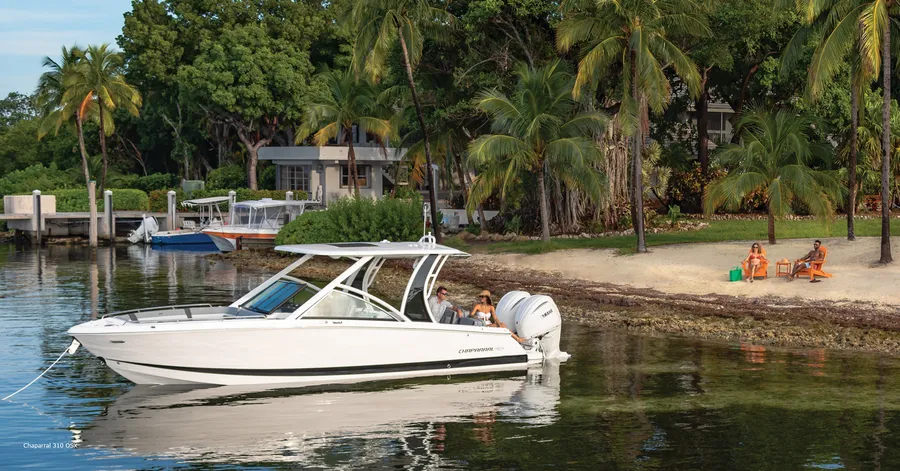
Becoming a boat owner on the Gulf Coast is a gateway to world-class fishing, sandbar hopping, and sunset cruises along the Choctawhatchee Bay or through the scenic passes of Orange Beach. While the transition from passenger to captain is an exciting milestone, navigating the responsibilities of ownership in a high-salinity environment requires a proactive approach. Understanding the nuances of coastal boating ensures that your time on the water remains a source of relaxation and enjoyment for years to come.
1. Prioritize Safety and Education
Before your first launch in Mobile Bay or off the coast of Destin, familiarize yourself with the specific boating laws for Florida and Alabama. Both states have education requirements that vary based on your age and the type of vessel you operate. Beyond the legalities, ensure your boat is stocked with USCG-approved life jackets, fire extinguishers, and sound-signaling devices. For high-quality safety gear and replacements, visit our Parts department to ensure you are fully compliant.
2. Establish a Saltwater Maintenance Routine
The Gulf's saltwater environment is significantly more corrosive than freshwater lakes. A "set it and forget it" mentality will lead to costly repairs. You must flush your engines with fresh water after every outing and thoroughly wash down the hull and hardware to prevent salt crystallization and corrosion. If your engine is aging and struggles with the demands of coastal cruising, exploring a Yamaha Repower can provide the reliability needed for long days on the water.
3. Understand Your Storage Options
Coastal weather can be unpredictable, making your choice of storage vital to the longevity of your vessel. While wet slips in Orange Beach offer convenience, dry storage or trailering protects your hull from marine growth and extreme sun exposure. Regardless of where you keep your boat, regular check-ups at our Service Department will help identify potential issues before they become emergencies.
4. Secure Specialized Marine Insurance
Standard insurance policies often lack the coverage details necessary for coastal boating. You need a policy that specifically addresses fuel spill liability, wreckage removal, and towing services. Our Financing team can often provide guidance on building a comprehensive package that protects your investment from the unique risks associated with the Gulf of America.
5. Practice Your Handling Skills
Docking in a current or navigating the narrow channels of the Intracoastal Waterway can be intimidating for new owners. Practice maneuvers during quiet weekdays when traffic is light. Focus on "holding station" against the wind and tide. To connect with other local boaters and learn from the experts, keep an eye on our Events page for community launches and safety workshops.
6. Choose the Right Boat for Your Lifestyle
The "perfect" boat depends on whether you plan to fish the deep blue or lounge at the Perdido Key sandbars. Center consoles offer 360-degree fishability, while dual consoles and pontoons provide superior comfort for families. If you are still in the research phase, browsing our New Boats or Used Boats will help you identify the features that best suit your coastal goals.
Frequently Asked Questions
What is the first thing I should do after buying a boat?
Read the owner's manual and perform a thorough safety audit. Our Staff of experts is always available to walk you through your new vessel’s specific systems.
How do I know if Sunrise Marine is the right dealer for me?
We pride ourselves on long-term relationships with our customers. You can read about our commitment to excellence on our About page or check our latest Reviews to see what fellow boaters have to say.
Where can I find more boating tips?
Our Blog is updated regularly with advice on local fishing, maintenance, and the best boating destinations along the Gulf Coast.