

Mastering the primary nautical knots is a non-negotiable requirement for anyone operating a vessel in the high-energy environments of the Gulf Coast. Whether you are securing your lines to a dock in Orange Beach, anchoring in the shifting sands of the Choctawhatchee Bay, or managing fenders in Mobile Bay, the integrity of your knots determines the safety of your passengers and the security of your boat. Relying on "handy" knots that aren't purpose-built for marine applications is a liability that often leads to avoidable equipment damage or vessel grounding.
1. The Anchor Hitch (Anchor Bend)
The anchor hitch is arguably the most critical knot in your repertoire, as it serves as the primary connection between your anchor and the rode. In the coastal waters of Mary Esther and Destin, where currents can be aggressive, this knot provides a secure, non-slip attachment that resists chafe.
- Execution: Wrap the line twice around the anchor shackle, pass the end behind the standing line and through both loops, and then finish with a half hitch around the standing line.
- Tactical Tip: If your ground tackle is showing signs of rust or wear, visit our Parts department for coastal-grade replacements before your next outing.
2. The Cleat Hitch
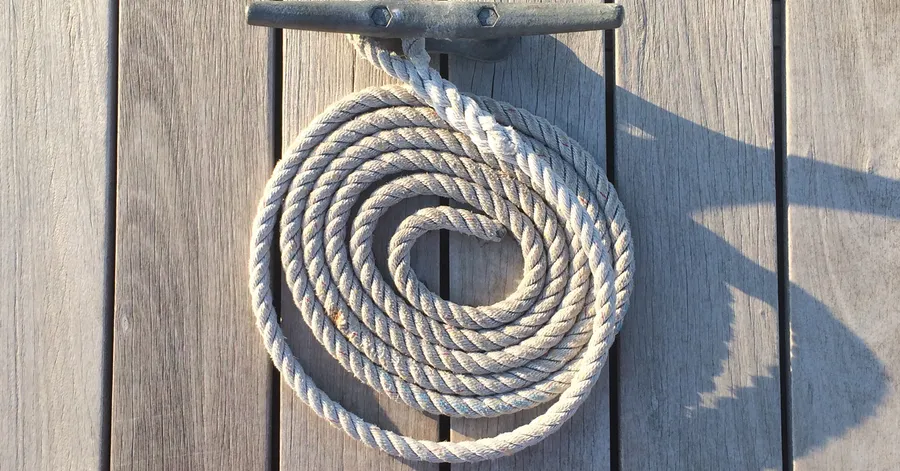
The cleat hitch is the standard for securing a vessel to a dock, bulkhead, or boat lift. It is designed to be tied and untied quickly, even under significant tension, making it essential for docking in the tidal currents of Daphne or Orange Beach.
- Execution: Wrap the line around the far horn, pull it over the near horn, and wrap it under the far horn again to form a figure-eight. Finish by forming an underhand loop and slipping it over the near horn.
- Refinement: Efficiency at the dock is a sign of an experienced captain. If your current boat is difficult to handle in tight quarters, browsing our New Boats or Used Boats can help you find a more responsive hull design.
3. The Bowline
Known as the "king of knots," the bowline creates a fixed loop at the end of a line that will not slip or bind under load. It is incredibly versatile for securing lines or joining two lines together, yet it remains easy to undo after being subjected to heavy tension.
- Execution: Make a small loop in the line, pass the end up through the loop, around the standing line, and back down through the small loop.
- Reliability: For those running high-performance Yamaha Repowers, having dependable lines and knots is vital to handle the increased torque and speed of modern outboards.
4. The Clove Hitch
The clove hitch is an all-purpose knot used for temporary attachments, such as securing a fender to a rail or a line to a piling. While fast to tie, it is a "light-duty" knot that can slip if the line is not kept under constant tension or if it is used on a twisting object.
- Execution: Wrap the line once around the rail, cross over the first wrap for a second turn, and pass the end back underneath the second wrap.
- Maintenance: If your dock lines are frayed or stiff from salt exposure, schedule a visit with our Service Department for a full vessel audit, including your docking hardware.
5. The Figure-Eight
The figure-eight is a "stopper" knot designed to prevent a line from slipping through a block, fairlead, or cleat. It is more effective than a simple overhand knot because it remains easy to untie even after it has been jammed under a heavy load.
Frequently Asked Questions
How often should I practice my knots?
Knots should be practiced until they are a matter of muscle memory. In a high-stress situation in a busy pass, you won't have time to think through the steps. Read our latest Blog for more technical guides.
Can I trade in a boat with missing dock lines or gear?
Yes. We provide professional evaluations through our Sell / Trade program regardless of the accessories currently on board.
Where can I see what other Sunrise Marine customers are saying?
We are committed to the Gulf Coast boating community; you can read our verified Reviews to see why captains trust us with their maritime needs.