


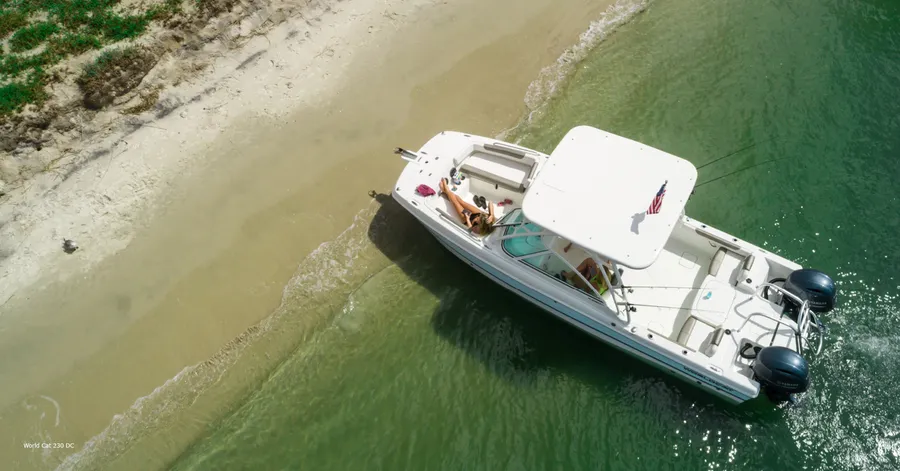
Beaching your boat on the Gulf Coast is a signature experience, whether you are pulling up to the white sands of Robinson Island in Orange Beach or finding a secluded spot along the Gulf Islands National Seashore near Mary Esther. While it seems as simple as driving onto the sand, improper technique can lead to hull damage, engine strain, or the frustration of getting stranded as the tide recedes. Mastering the mechanics of beaching ensures you can enjoy the shoreline without compromising the structural integrity or mechanical reliability of your vessel.
1. Scope the Shoreline and Water Depth
Not all shorelines are suitable for beaching. Before approaching, visually inspect the area for submerged rocks, oyster shells, or stumps that could gouge your gelcoat. In areas like Mobile Bay or the back bays of Daphne, the bottom can shift from soft sand to sticky mud or hard clay. Ideally, you want a sandy, gradual slope. If you are unfamiliar with the area, it is best to send someone overboard to scout the depth and bottom composition. If your current hull has sustained wear from previous beaching attempts, our Service Department can perform professional fiberglass and gelcoat repairs to restore your boat's protection.
2. Manage Your Engine Trim and Approach Speed
As you move toward the shore, the most common error is approaching too fast or with the engine trimmed too low.
- Trim Up: Raise your outboard or sterndrive to the highest possible position that still allows for steering. This protects your propeller and skeg from striking the bottom.
- Control Speed: Approach at the slowest possible speed that maintains steerage. You want enough momentum to nudge the bow onto the sand, but not so much that you "high-center" the boat.
If your propeller is already showing signs of dings or pitting from sand and debris, visit our Parts department for a high-performance replacement. For those looking for more reliable shallow-water performance, a Yamaha Repower can provide modern tilt/trim technology and better torque for coastal maneuvers.
3. Account for Tides and Coastal Currents
On the Gulf Coast, the tide is a primary factor in a successful beaching. If you beach your boat at high tide, you run the risk of it being high and dry within a few hours. Conversely, beaching at low tide may mean you'll need to adjust your lines as the water rises to prevent the boat from floating away or slamming against the shore. Always check the local tide charts for Orange Beach or Destin before you settle in. If your boat is difficult to handle in shifting currents, browsing our New Boats or Used Boats can help you find a model with more responsive handling or a shallower draft.
4. Utilize a Dual-Anchor System
Simply pushing the bow into the sand is rarely enough to keep a boat secure. The wake from passing vessels or shifts in the wind can easily dislodge a beached boat.
- Bow Anchor: Once the bow is nudged onto the sand, set a bow anchor on the beach to prevent the boat from backing off.
- Stern Anchor: Drop a stern anchor in deeper water as you approach or carry it out once you’ve landed. This prevents the stern from swinging into the shore or toward other boats.
Our Staff can recommend the best anchor types for the specific sandy or muddy bottoms found in Alabama and Florida waters.
5. Inspect for Sand and Debris Ingestion
When you operate in shallow water, your engine’s cooling system is at risk of sucking in sand and silt. After a day of beaching, it is critical to flush your engine thoroughly with fresh water. Sand buildup in the cooling passages can lead to overheating and premature impeller wear. If you notice your engine is running hotter than usual after a beach day, schedule a diagnostic check through our Service Department.
Frequently Asked Questions
What is the best type of hull for beaching?
Hulls with a shallower draft, such as bay boats or pontoons, are generally easier to beach than deep-V offshore hulls. You can find a variety of these styles in our New Boats inventory.
Can I trade in a boat with hull scratches?
Yes. We offer professional evaluations through our Sell / Trade program and can account for cosmetic wear during the appraisal.
Where can I learn more about local sandbar etiquette?
Visit our Blog for guides on local boating etiquette and the best destinations along the Gulf Coast. You can also see what other local boaters are saying on our Reviews page.