

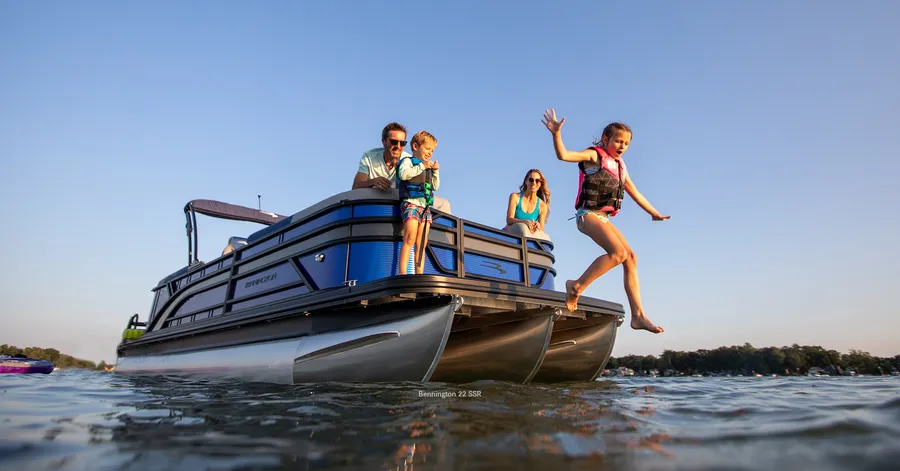
Operating a vessel on the Gulf Coast involves navigating a variety of environments, from the protected reaches of Mobile Bay to the open, unpredictable waters of the Gulf of Mexico. Personal Flotation Devices (PFDs), commonly known as life jackets, are the most critical safety components on any boat, regardless of whether you are launching from Mary Esther, Daphne, or Orange Beach. Selecting the appropriate gear is not merely a legal requirement for a Coast Guard inspection; it is a fundamental aspect of maritime responsibility that protects every passenger and pet on board.
Understanding the Five Types of PFDs
The US Coast Guard categorizes life jackets into five distinct types based on their buoyancy and intended use. Choosing the right one depends entirely on where you plan to boat and what activities you have planned.
- Type I (Offshore Life Jacket): These provide the greatest buoyancy and are designed for open, rough, or remote waters where rescue may be delayed. They are engineered to turn most unconscious wearers face-up.
- Type II (Near-Shore Buoyant Vest): Generally less bulky than Type I, these are intended for calm, inland waters or where there is a good chance of quick rescue.
- Type III (Flotation Aid): Most often seen during watersports like skiing or wakeboarding, these are designed for conscious wearers in inland waters. They are the most comfortable and form-fitting for active use.
- Type IV (Throwable Device): These are non-wearable devices, such as ring buoys or cushions, designed to be thrown to a person in the water.
- Type V (Special Use Device): These are restricted-use PFDs designed for specific activities like windsurfing or as part of a sailing harness.
If your current safety inventory is outdated or insufficient, visit our Parts department for coastal-grade equipment that meets all current regulations.
Matching Gear to Your Coastal Activity
Your destination along the Gulf Coast should dictate your PFD selection. If you are taking a center console offshore for deep-sea fishing, Type I jackets are a technical necessity. However, for a family afternoon at the Robinson Island sandbar in Orange Beach, Type II or Type III vests provide the comfort and mobility needed for swimming and socializing. If you are considering an upgrade to a more capable vessel for offshore runs, browse our New Boats or Used Boats to find a model with ample storage for diverse safety gear.
Ensuring a Precise Fit for All Passengers
A life jacket is an effective safety tool only if it fits the wearer correctly. Vests that are too large can slide off upon impact with the water, while those that are too small may not provide enough buoyancy to keep the wearer afloat.
- Check the Label: Manufacturers provide specific weight and chest size ranges on the inside of every PFD.
- The "Tug Test": Once buckled and cinched, pull up on the shoulders of the jacket. If it slides up past the wearer's chin or ears, it is too large.
- Inspect the Hardware: Saltwater can corrode zippers and rot straps over time. Regularly bring your gear to our Service Department for a professional safety audit to ensure your equipment hasn't been compromised by the elements.
Accessibility and Maintenance
Legally, life jackets must be "readily accessible," meaning they cannot be stored in locked compartments or kept in their original plastic packaging. In an emergency, every second is vital. If your current boat lacks the designated storage space for an easy-access safety kit, our Staff can suggest aftermarket solutions or help you explore Financing for an upgrade. For those looking to repower an older hull with more reliable performance for the long haul, a Yamaha Repower ensures your vessel remains as dependable as your safety gear.
Frequently Asked Questions
How often should I replace my life jackets?
You should replace a PFD if the fabric is torn, the foam is hardened, or the straps are frayed. Exposure to the intense sun in Florida and Alabama can degrade materials faster than in other climates.
Are children required to wear life jackets at all times?
Laws vary slightly between Alabama and Florida, but generally, children under a certain age must wear a life jacket while the vessel is underway. Check our Blog for specific state regulations.
Where can I see what other local boaters recommend for safety?
Read through our customer Reviews to see how we've helped others equip their boats for the Gulf. You can also join us at local Events for safety demonstrations.